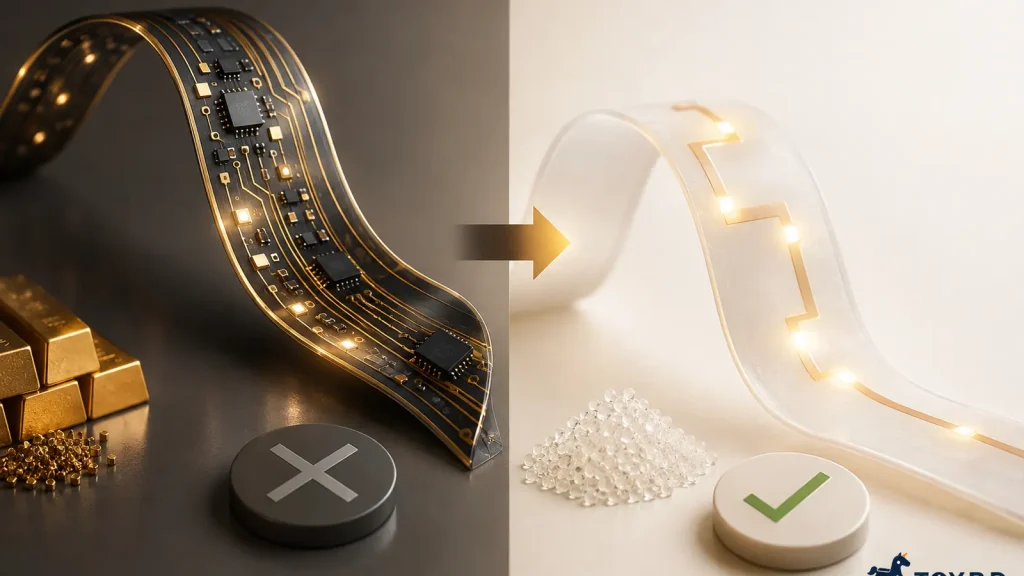
The Best Material Is Not Always the Most Expensive: A Product Development Lesson in Low-Cost Engineering
Why the right material is the one that balances cost, performance, reliability, manufacturability, and user experience.

TOY R&D
Practical field notes, calculators and reference resources for toy developers, engineers and sourcing professionals working with real products.
Why the right material is the one that balances cost, performance, reliability, manufacturability, and user experience.
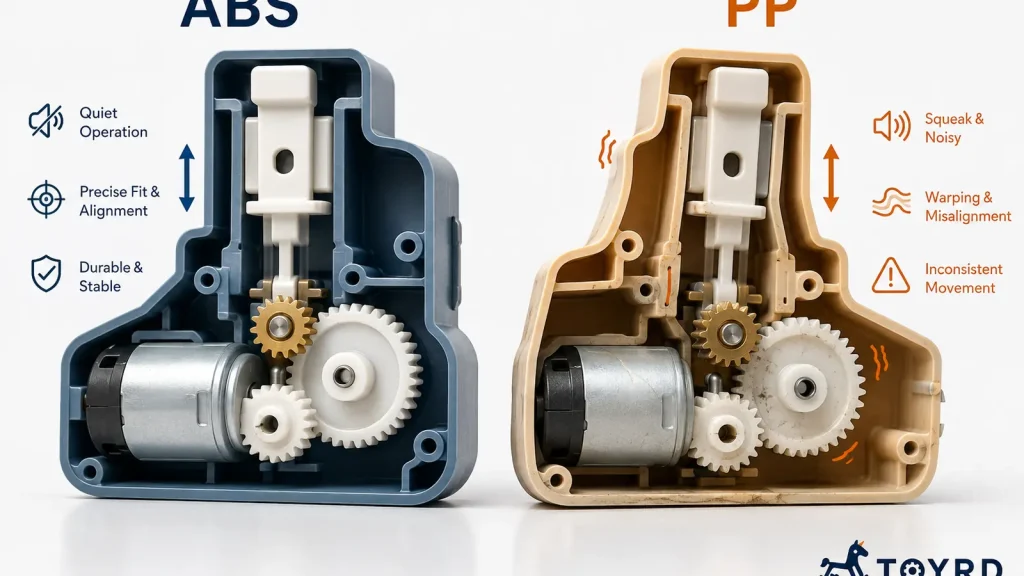
A toy-mechanism case showing why a lower-cost resin can create higher engineering, manufacturing, and quality costs.
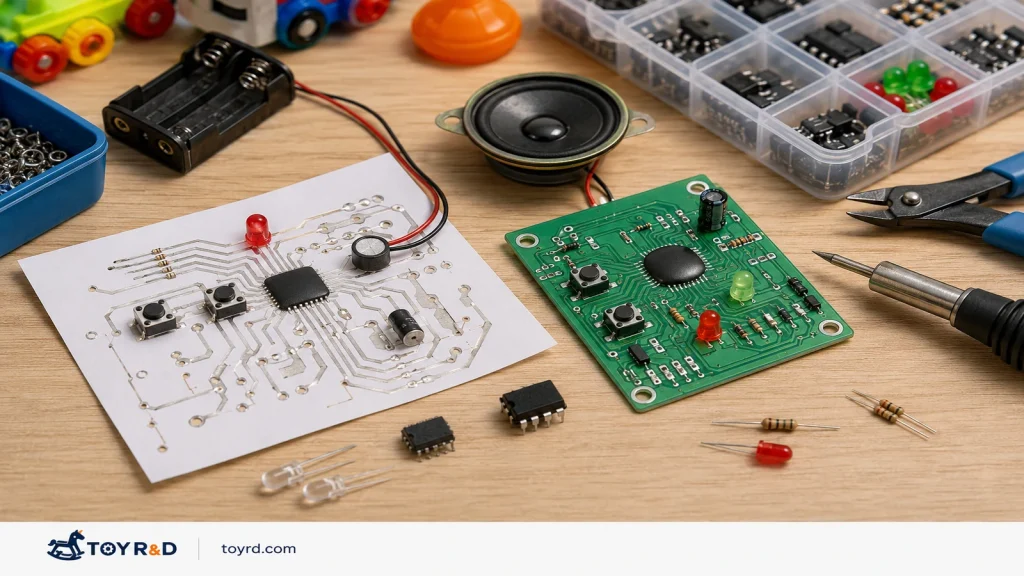
A practical guide to Chenghai, Shantou toy electronics: paper-based PCBs, 6 kHz audio ICs, through-hole labor, SMT, and cost-led design.
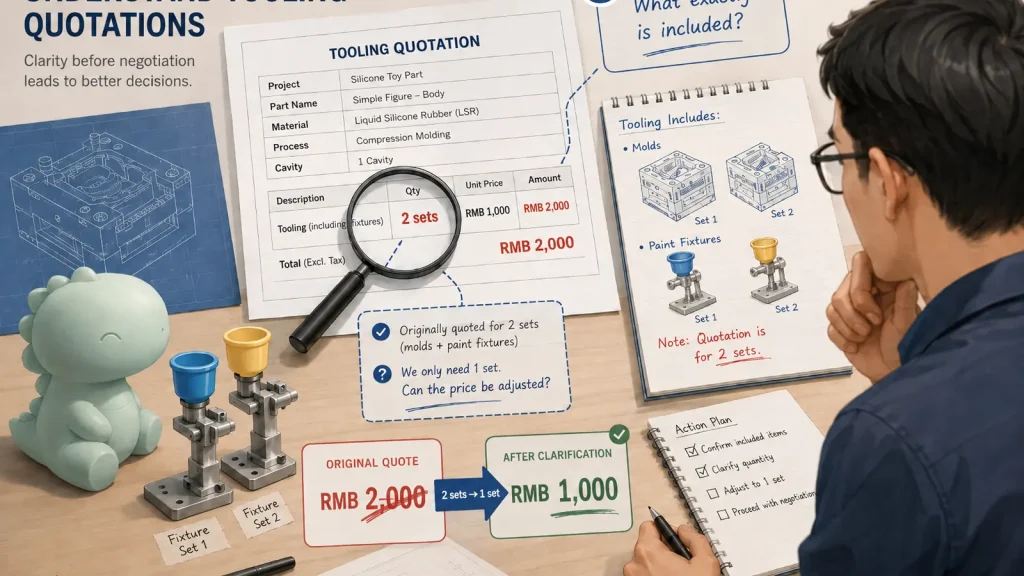
A real toy-development case showing why the best cost reduction sometimes comes from understanding a tooling quotation—not simply pushing a supplier for a lower price.
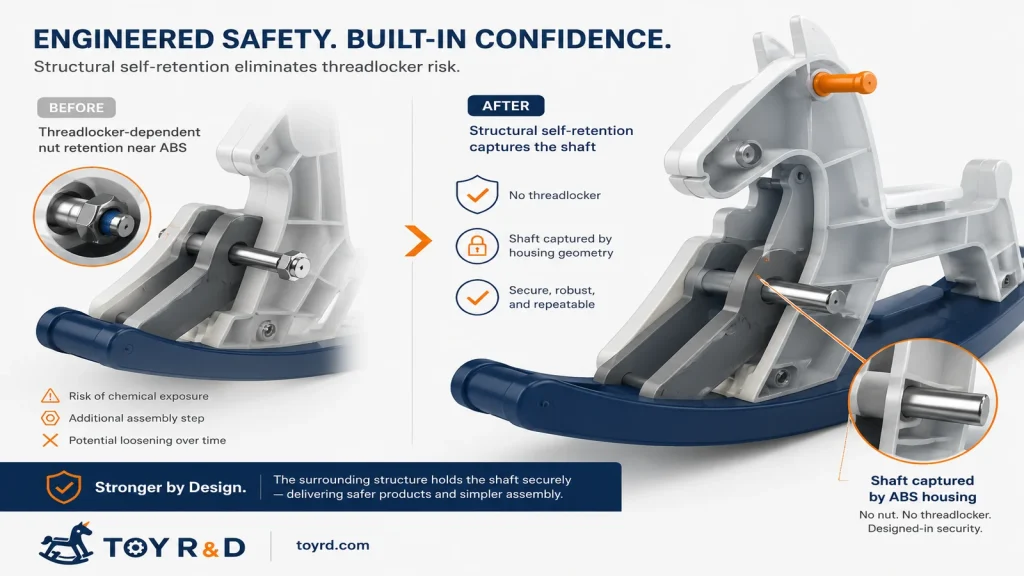
Threadlocker near ABS can cause stress cracking in toy mechanisms. Learn how ToyRD redesigned shaft retention to remove the chemical risk.
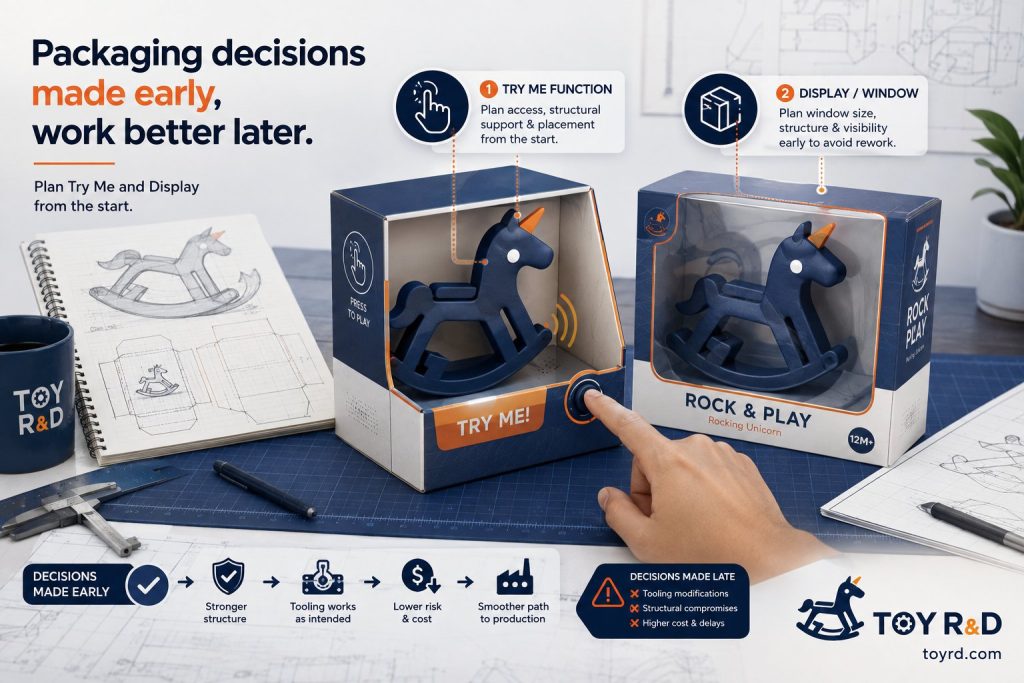
Early toy packaging decisions—try-me features, display windows, and fixing methods—can reshape product design, tooling, cost, and safety.
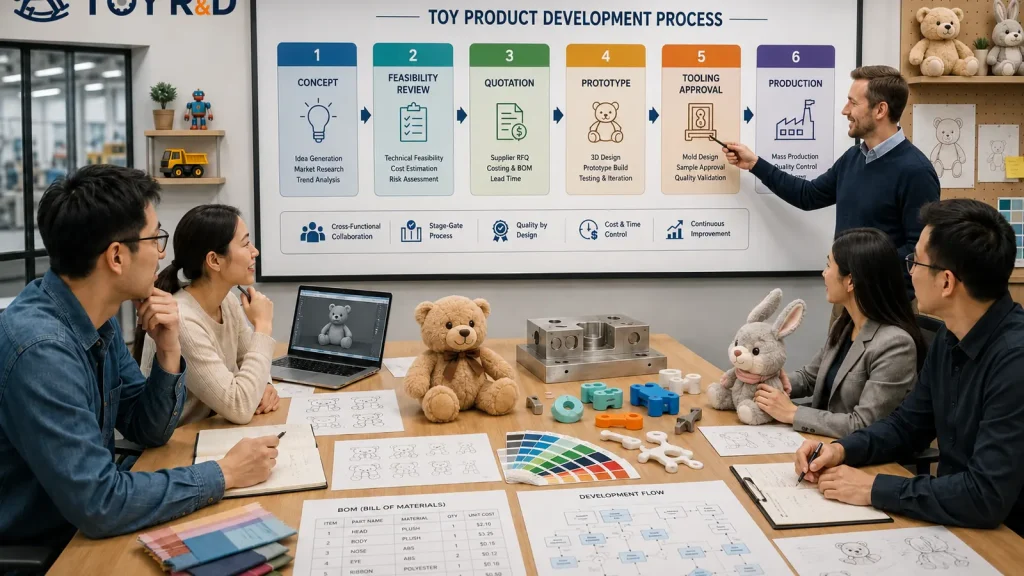
Why approval gates, written decisions, and clear processes matter in product development.
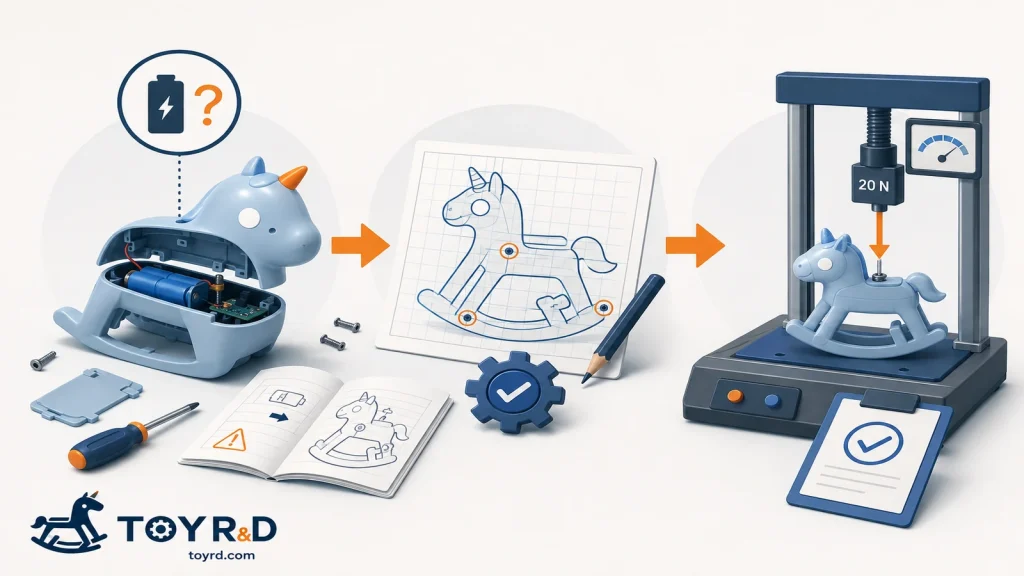
A product-development case showing how a misread battery requirement can change a toy design, instructions, and safety-test path.
Early-estimate calculators for planning. They do not replace formal DFM or supplier quotations.
ASK TOYRD
Get a practical second opinion on one design, costing, manufacturing or compliance-risk issue.