
Leon · ToyRD
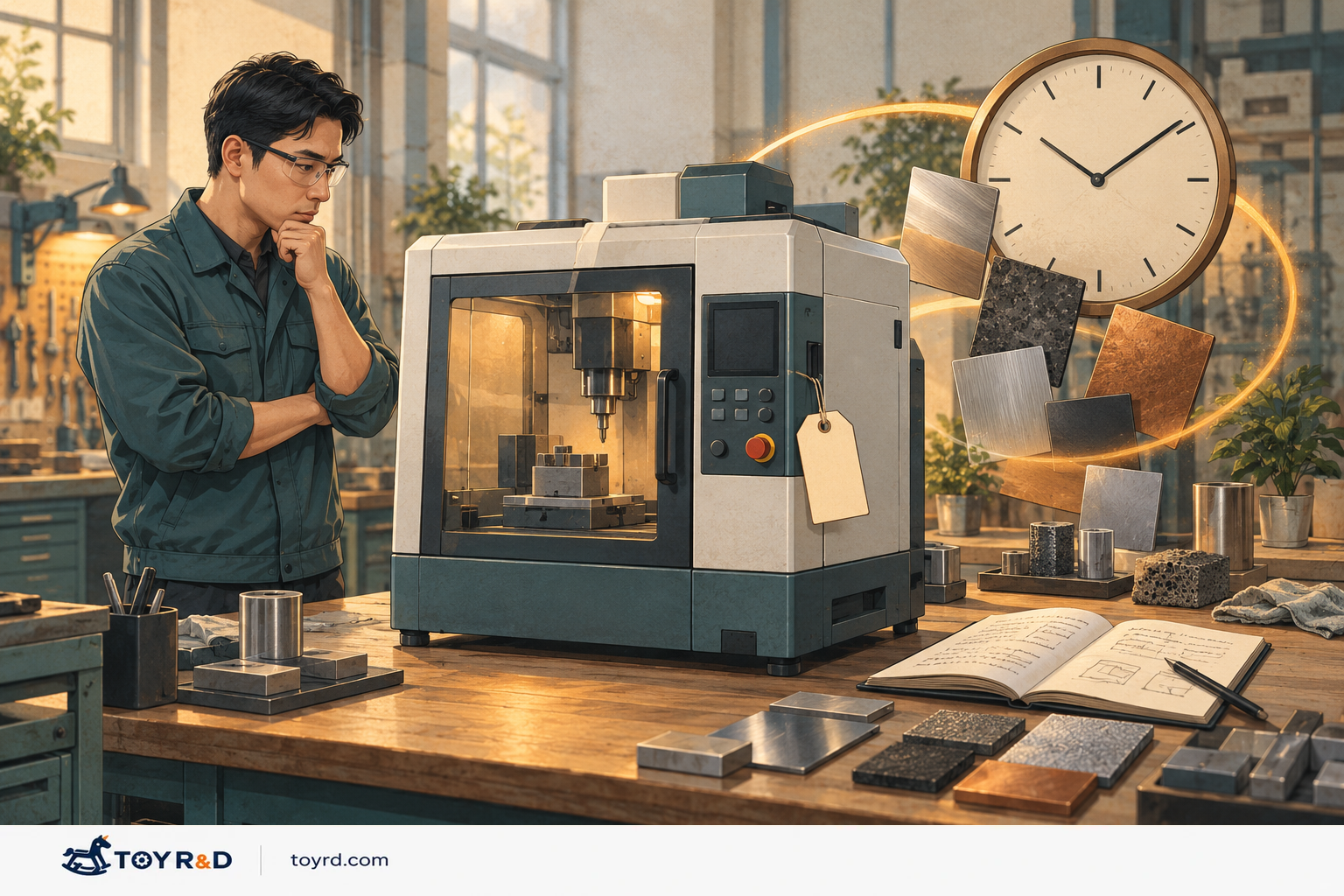
Figure 1. A concept illustration of equipment cost and troubleshooting effort. It does not depict actual equipment, amounts, or cost proportions.
We're working on a project that involves wrapping a plastic housing in fabric. We can glue it by hand, but moving the process onto equipment has been less straightforward. First, the fabric wouldn't feed into the glue-coating machine. Then we ran into a problem with automatic edge folding. We're still investigating.
I wanted to write this down because equipment prices are easy to compare. The time needed to get a machine working after it arrives is harder to estimate. When a process depends on the material, adhesive, equipment, and tooling working together, questions left open during purchasing often have to be answered through troubleshooting on the shop floor.
A process that works by hand still needs to be tested on the machine
The project requires us to wrap fabric around a plastic housing. Gluing it by hand works, so we tried using equipment for the relevant steps.
The customer initially said the fabric could go straight through a glue-coating machine. When we tried the actual material, we found that it was too soft to feed in. The process stalled at the first step.
Recently, a colleague found a way to address this: have the fabric supplier pre-coat the fabric with adhesive to give it some stiffness, then feed it into the glue-coating machine. That gives us a way to handle the feeding problem.
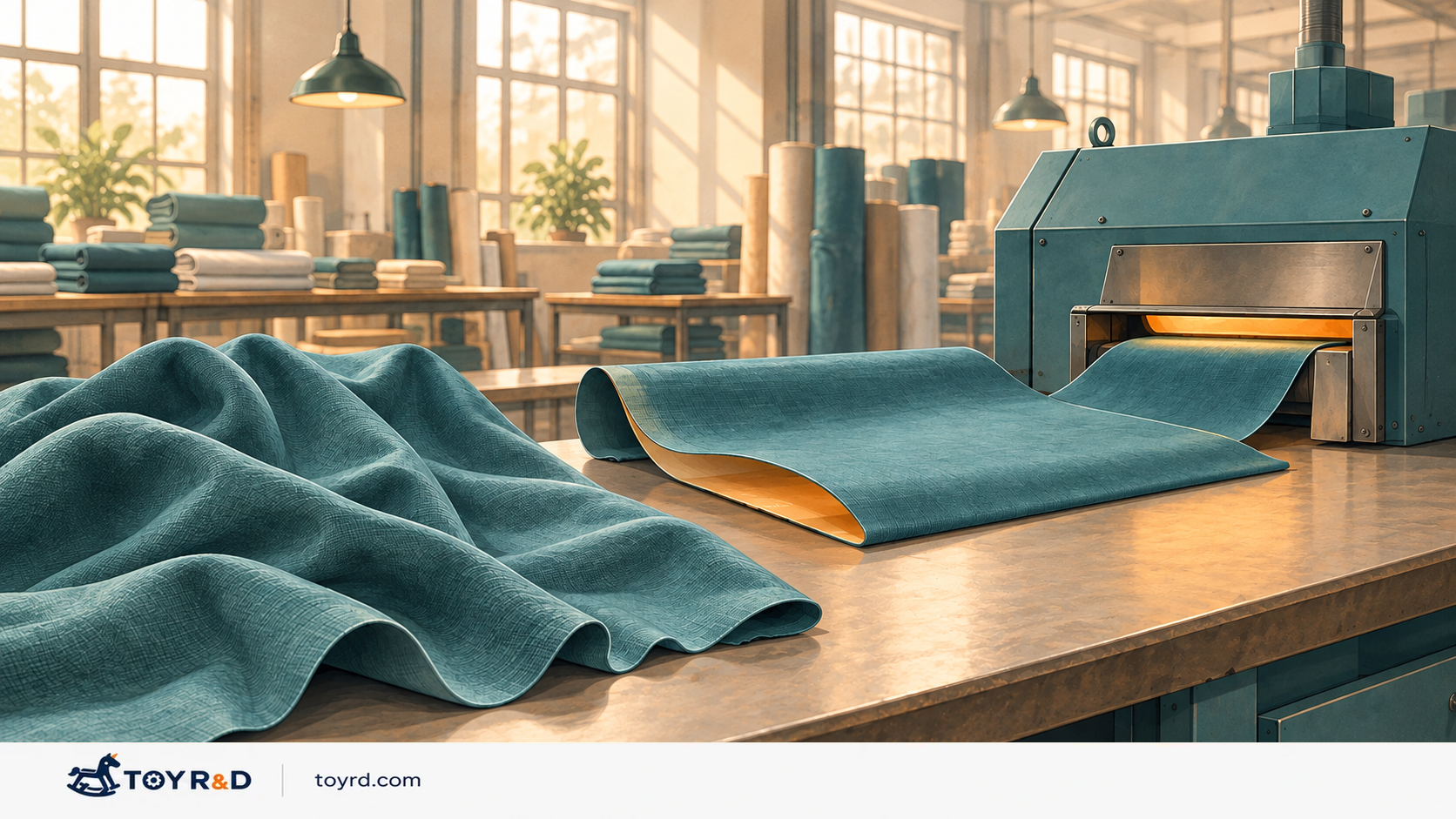
The fabric supplier has to add a preparation step before our equipment can do its part. Whether the machine will work therefore also depends on how the upstream material is supplied. Confirming that a machine can apply glue doesn't tell us whether our particular fabric will pass through it as planned.
Describe the folding problem precisely
After glue coating, the next step uses an automatic edge-folding machine and dedicated tooling to press the adhesive-coated fabric onto the plastic part.
At the moment, one edge stays raised and never folds over at any point in the process. It doesn't fold into place and then spring back. Both situations can look like a poorly wrapped edge, but they need to be described separately when troubleshooting.
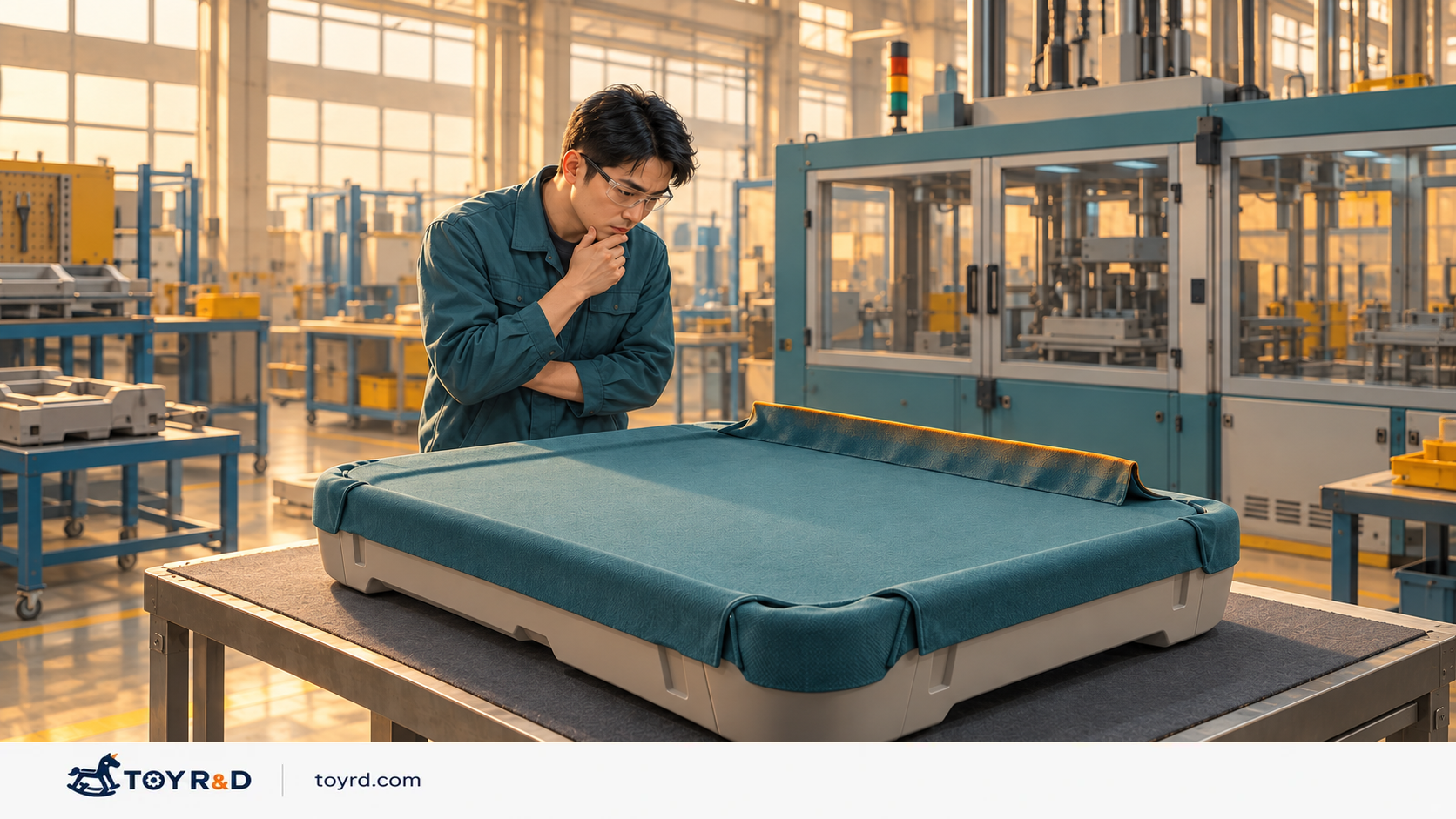
We haven't found the root cause yet. This observation alone doesn't establish that the adhesive is at fault or that a particular tooling movement is wrong. We still need to check the condition of the material, the machine's movements, and how the tooling works with them.
Addressing the feeding problem doesn't mean the wrapping step has been validated. We need to run the actual plastic parts and fabric through the process together to see whether all the steps work in sequence.
The equipment quote leaves out some of the time involved
There's another practical issue. The equipment supplier is based elsewhere, and communication and after-sales coordination haven't been smooth. Support during troubleshooting has been limited, so our team still has to spend time investigating and trying changes.
That time is difficult to put into a clear number before purchasing, unlike the equipment quote. But we do have to spend it. Engineers need to follow up on problems, coordinate material and tooling work, and test each new approach on the equipment.
When comparing two options, we should therefore list material preparation, sample trials, modifications, setup and troubleshooting, and the supplier's technical support alongside the equipment and tooling prices. Where costs are still uncertain, we can at least record what needs to be done, who will do it, and who will pay.
The price saving matters. So does the amount of work left for our team after delivery. We should understand the supplier's support capabilities before buying.
I should have compared the ultrasonic option more carefully
Looking back, I regret not taking a closer look at the more expensive ultrasonic option. Before choosing equipment, it would have been worth testing whether it suited this product better and whether the process would have been easier to get working.
We haven't tested that option with the same materials and product, though. The difficulties with our current process don't establish that buying ultrasonic equipment would have been a better choice.
If I were making the comparison again, I would send the actual plastic parts and fabric to the respective suppliers for trials, inspect the finished samples, clarify the tooling requirements, and confirm how we would reproduce the results once the equipment arrived at our factory. Testing both options with the same materials and acceptance criteria would give us a more useful basis for judging the price difference.
Agree on trials and acceptance before purchasing
For equipment purchases where the material, machine, and tooling all need to work together, these are the questions I would clarify first.
1. What materials will be used for the trials?
Can we use the project's actual plastic parts and fabric? Does the fabric need pretreatment? Who confirms that the prepared material is suitable, and are those costs included?
2. How much of the process will the demonstration cover?
Will it show only glue coating or edge folding, or will the steps run together to produce a fully wrapped part? Any points that require manual assistance should also be explained during the demonstration.
3. What counts as passing acceptance?
How will we judge the appearance, edge wrapping, and adhesion? Beyond producing one acceptable sample, how will we check that the process can produce consistent results? These requirements should be agreed before placing the order.
4. Who will follow up on setup and troubleshooting issues?
If there are problems with feeding, folding, or how the tooling works with the machine, who will coordinate the investigation? Will the supplier provide remote or on-site support, and how will the costs of modifications and further trials be shared?
5. What happens if the agreed result isn't achieved?
Under what conditions will we keep adjusting the process, modify the tooling, or reassess the process itself? Responsibilities and costs are best discussed when purchasing.
We haven't got this project running properly yet, so I don't have a successful outcome to share. What I can record so far is that a process we can do by hand still has conditions that need to be checked individually on the machine. After the quotes have been compared, someone still has to take responsibility for trials, setup, troubleshooting, and acceptance.
Whether the money we saved on equipment will end up being spent on troubleshooting is something we can only work out once that work is done.
Have a question or a correction? Send feedback on this article.
Was this article helpful?
Your feedback helps improve these field notes.
No account needed. Your choice is remembered in this browser. Privacy policy